
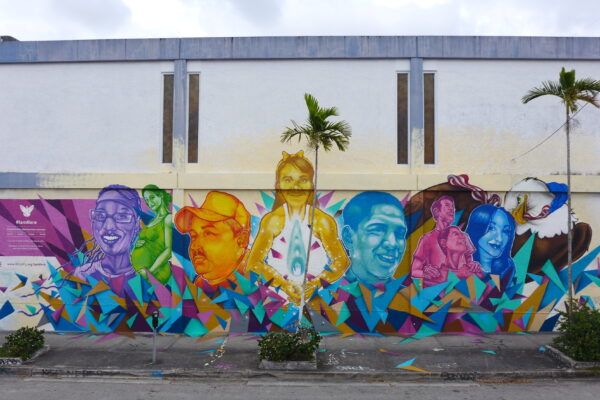
Among them is “Rosa,” who has lived in the United States for more than 18 years and has raised her three U.S. citizen children on her own after her husband was killed. In 2009, Rosa purchased $1,000 of items on behalf of the pawn shop she worked for. She was convicted of five counts of dealing in stolen property because, allegedly, she should have known that the items she was purchasing were stolen. She spent four days in jail, and additional time in house arrest and on probation. Several years later, when returning from a trip to Colombia to care for her ailing father, ICE began removal proceedings against Rosa on the basis of this one conviction, which will likely be deemed an aggravated felony. As such, she will almost certainly be deported and prevented from ever returning to the U.S. She will be permanently separated from her children, solely because of this one crime.
Under current immigration laws, an aggravated felony—a misnomer because it need not be aggravated or a felony—leads categorically to deportation with only the narrowest of exceptions. When evaluating deportation cases, judges do not have the discretion to consider individualized circumstances, such as the hardship to kids like Rosa’s. The immigration reform proposal being debated in the Senate right now gives judges some greater flexibility to consider individualized circumstances, but it does not do so for people like Rosa, whose convictions are considered aggravated felonies.
We have the opportunity to change the stories of Rosa and the others represented in the mural, along with millions of other immigrants and their families across the country.
Please sign the petition and tell Senator Rubio to Support Common-Sense Immigration Reform