
News & Commentary
New Model Shows Reducing Jail Population will Lower COVID-19 Death Toll for All of Us
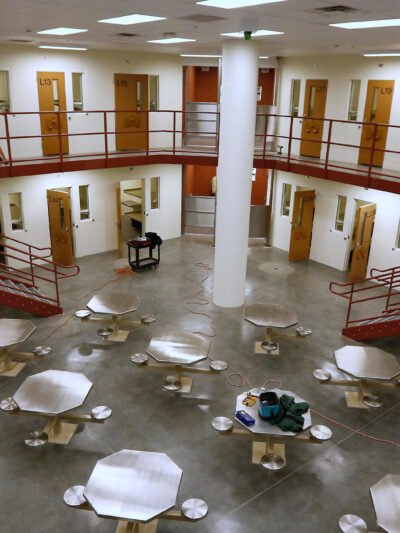
These critical reforms are more urgent than ever, but they were needed long before the pandemic. The U.S. incarcerates more people than any other country on earth, with four percent of the world’s total population and 21 percent of the world’s incarcerated population.
A Tale of Two Countries: Racially Targeted Arrests in the Era of Marijuana Reform
Cannabis decriminalization and legalization is still the answer to America's failed war on drugs, and its especially negative impacts on Black and brown communities. But that isn’t enough.
What it’s Like in ICE Detention During a Pandemic
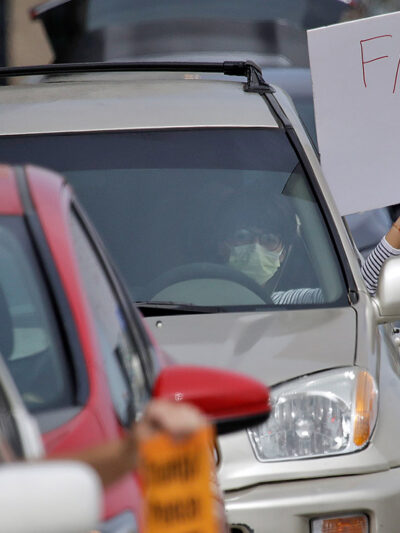
As millions of people in the U.S. shelter in their homes, and millions more who aren’t able to stay indoors practice social distancing or other measures to reduce the spread of COVID-19, a crisis is brewing in the facilities where immigrants are detained. Cramped conditions and inadequate access to hygiene or medical care have created what one medical expert called a “tinderbox” for the disease in a letter to Congress.
Kent State and Its Legacy of National Student Protest
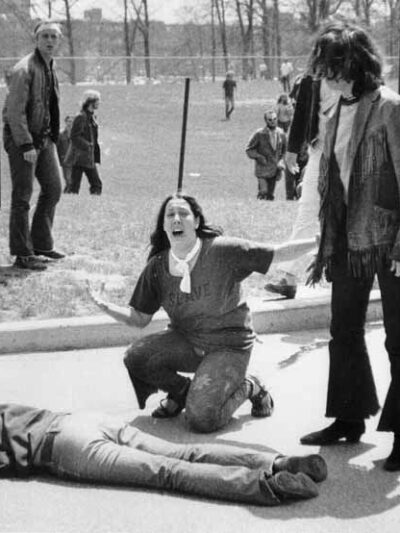
The spirit of the youth protest that peaked during Kent State and Watergate, and was marked by the Vietnam War and the resignation of Nixon, is as alive and evident as ever today.
By Joey Francilus
Apple and Google Announced a Coronavirus Tracking System. How Worried Should We Be?
A well-designed tool could offer public health benefit, but a poorly designed one could pose unnecessary and significant risks to privacy, civil rights, and civil liberties.
Isolation, Before and During a Pandemic
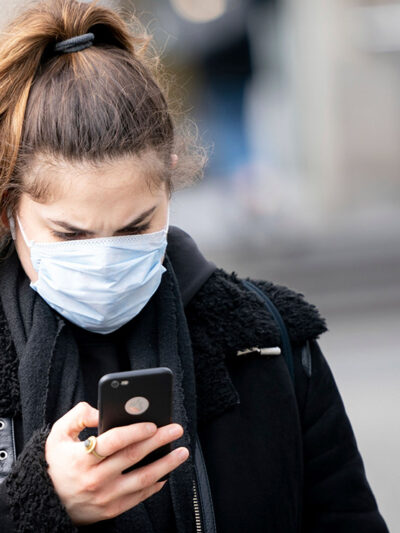
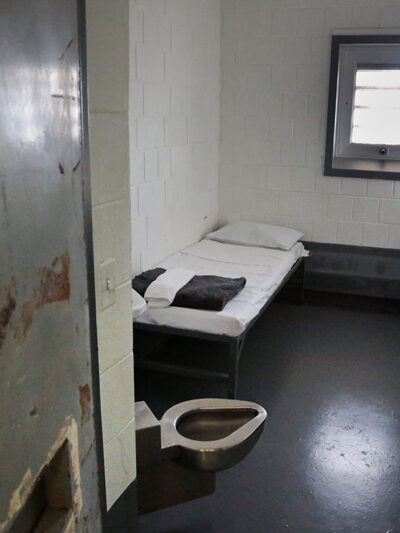
As many Americans round out the end of their first month of social distancing, it’s clear that the toll of “stay at home” orders during the COVID-19 pandemic is much more than economic. The anxiety and fear that wash over us each day that we spend alone, away from friends, coworkers, and family, inflict their own kind of emotional damage. The cost of social isolation is a worthy cost in this case — staying home can quite literally save lives. But for some people, the advent of social isolation came long before the coronavirus. At the ACLU, we work with many communities who deal with the long-term impacts of social isolation: people living with disabilities who often experience accessibility issues, people held in detention, and people imprisoned in solitary confinement, just to name a few. Joining us on this episode of our podcast, At Liberty, is Dr. Julianne Holt-Lunstad, a professor of psychology and neuroscience at Brigham Young University who understands the psychological and physiological impacts of isolation, and how we can mitigate them for both ourselves and others. We also spoke with a few people — Anna Landre, TreShaun Pate, Jason Hernandez and Claire Goldberg — who know a thing or two about social distancing. Their circumstances have made them familiar with isolation long before COVID-19. Listen here to learn from their experiences, and for tips from Dr. Holt-Lunstad on how to ease the pain of isolation during this pandemic.

Federal Wardens Must Immediately Flatten the Curve in our Nation’s Prisons
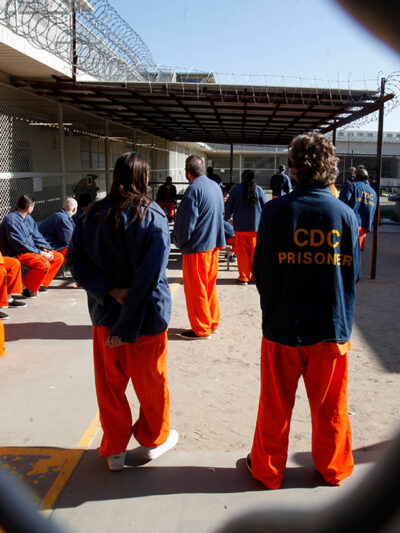
350 incarcerated persons and almost 200 Bureau of Prison staff have COVID-19. The wardens overseeing America's 122 federal prisons have no time to spare.

Stay Informed
Sign up to be the first to hear about how to take action.
By completing this form, I agree to receive occasional emails per the terms of the ACLU’s privacy statement.
By completing this form, I agree to receive occasional emails per the terms of the ACLU’s privacy statement.