
News & Commentary
A COVID-19 Balancing Act: Public Health and Privacy
Some states are officially loosening their stay at home restrictions, and more will join in the coming months as Americans attempt to inch their way back to pre-COVID-19 life. Some of us will return to work, gather in small groups, and maybe even dine at a neighborhood restaurant.
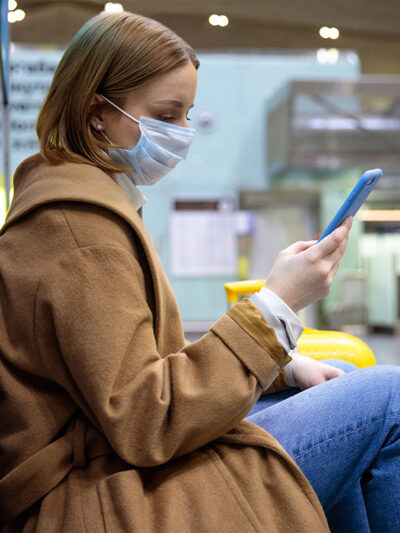
How the ACLU is Responding to the Pandemic, Visualized
The COVID-19 pandemic has closed down many businesses, but the ACLU’s work of defending and expanding civil liberties and civil rights continues, essential as ever. At the ACLU, our most immediate focus has been on issues arising from the government’s response — or lack thereof — to the pandemic. Since the start of the outbreak, we’ve filed over 140 legal actions and have seen thousands of people released from prisons, jails, and immigration detention.
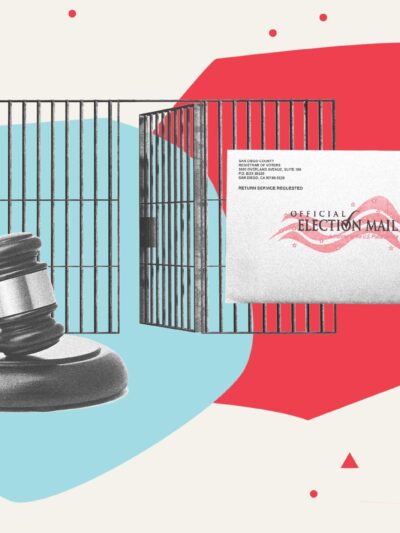
COVID-19 Will Bring Mass Evictions Unless We Act Now
We must work to guarantee that no individual or family faces the loss of their home due to the COVID-19 pandemic.
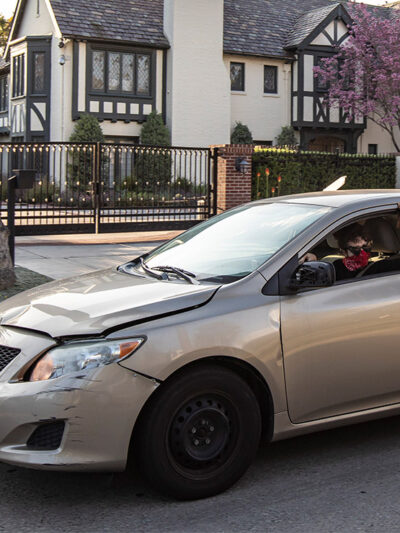
Immigration Detention Was a Black Box Before COVID-19. Now, it’s a Death Trap.
We have experienced unprecedented, unchecked growth in the detention of undocumented immigrants and asylum seekers over the last decade. Since Donald Trump took office, this problem has reached historic levels.
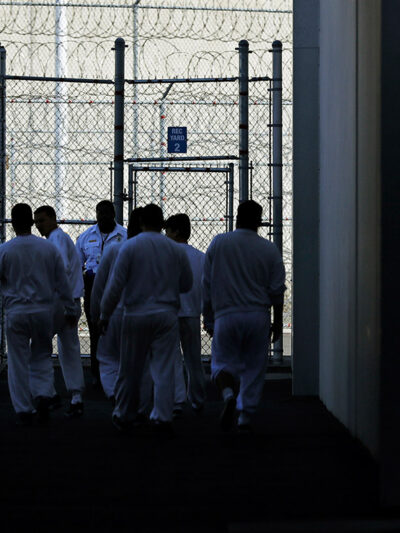
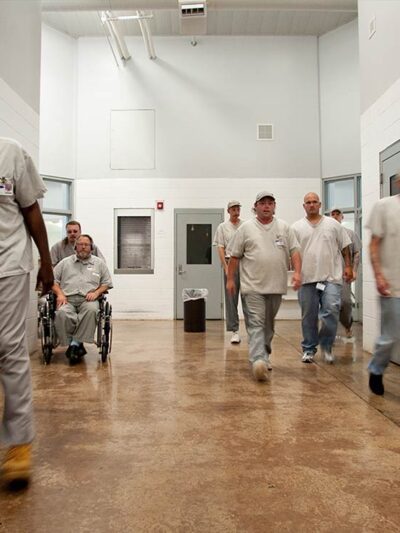
Federal Bill Would Release Vulnerable People from Prisons to Help Stop Spread of COVID-19
The Emergency Community Supervision Act requires the Bureau of Prisons to immediately place vulnerable individuals in home confinement or other community supervision outside of prison.
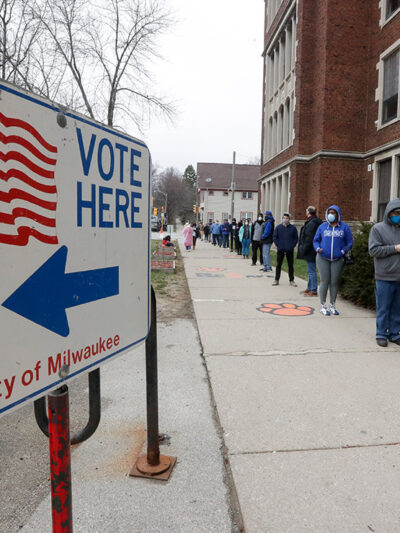
We’re Working to Safeguard Our Democracy and Our Health
We must prepare for the general election in November.
They Were Willing to Make the Ultimate Sacrifice for the U.S., but Trump Won’t Let Them Become Americans
We're representing thousands of non-citizen U.S. military service members in a class-action lawsuit against the Pentagon demanding their right to citizenship.

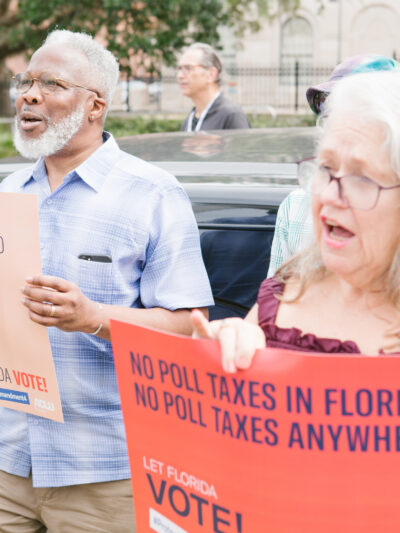
We're Going to Court on April 27 to Strike Down This Poll Tax for Good
We are going to court to defend the voting rights of hundreds of thousands of Floridians.
After a Lifetime Apart, COVID-19 Prison Release Reunites Mother and Daughter
“You’re on the list.”It took a few seconds for Chalana McFarland to grasp what was happening. Her name was one of just a few on the list of people who would be released from prison early due to COVID-19. Behind her stood a line of dozens of other women waiting to see if they made it. Only some of them had. But as Chalana received the news, they started cheering, and caused such an uproar that the correctional staff had to reprimand them. That’s when it finally clicked for Chalana — after 15 years in prison, she was finally going home. Chalana immediately contacted her daughter.“I was watching a movie with my roommate when I got the news,” says Nia, who is 19 and lives in Tallahassee, Florida, where she attends university. “At first I was like, ‘What?’ I didn’t think it was real. Then I just fell over crying. I couldn’t even talk. Later, when we talked on the phone, I could hear the happiness in my mom’s voice that this was all finally going to be over.”

Stay Informed
Sign up to be the first to hear about how to take action.
By completing this form, I agree to receive occasional emails per the terms of the ACLU’s privacy statement.
By completing this form, I agree to receive occasional emails per the terms of the ACLU’s privacy statement.