
News & Commentary
DeRay McKesson on the Threat to Protesters’ Rights
Since the onset of the COVID-19 pandemic, protests have erupted across the country. Some are related to the virus: Protestors in Ohio and Michigan took to the streets and state capitols to call for an end to their governors’ stay-at-home orders. Others are calling out an ongoing injustice: the killing, often at the hands of the state, of Black Americans. Now, the rights of participants in protests across the spectrum could be at stake unless the Supreme Court weighs in on an important decision.

DeVos is Rolling Back Protections for Sexual Harassment and Assault Survivors in Schools. We’re Suing to Put a Stop to It.
Sexual harassment and assault have no place in our schools — and students shouldn’t have to jump through hoops just to report abuse.
In Fear of Falling Behind and Privacy Invasions, Students Demand Action on Remote Learning
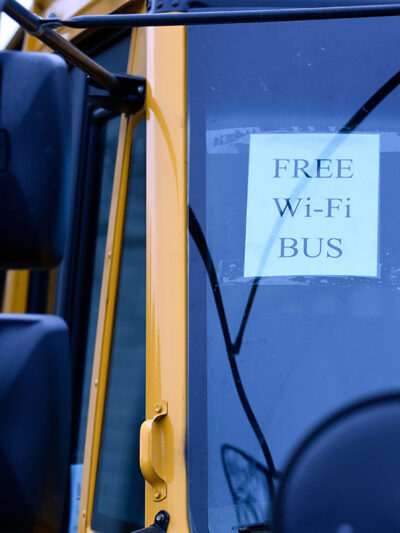
Mia’s high school peers are completing class assignments from their school parking lot because they, like many families in their rural Maryland community, lack access to internet at home. Delina, a high school junior from Arizona, has to wait until all her younger siblings finish their schoolwork using the one computer at home before she can use it to start hers. One student from New Jersey fears that the lack of privacy protections for students using remote learning technology puts their mom at increased risk of deportation. This is the reality of education in America during the COVID-19 crisis, according to the students who’ve shared their experiences with the ACLU. Students recently thrust into distance learning by school closures are worried they’ll fall behind their peers — or even have to repeat the school year — simply because their families can’t afford high-speed internet or a computer. Others fear marketers and other companies are collecting, storing, and even sharing their highly personal information because current remote learning technologies lack basic privacy protections. We’re calling on Congress and state and local governments nationwide to take immediate decisive action to address the current education crisis in America. In letters sent to state and local officials in 23 states, we’re demanding all students have equal access to the technologies that make effective remote learning possible, and that states and school districts mandate the implementation of strong and uniform privacy safeguards to protect students when they are engaged in remote learning.
Thank You, Aimee
Aimee Stephens, a trailblazer in trans rights, passed away in her home this week at the age of 59. Together, we sued for discrimination after Aimee was fired from her job for being transgender. When Aimee decided to fight back, she just wanted it to be acknowledged that what happened to her was wrong. She ended up making history by bringing the Supreme Court its first trans civil rights case. Aimee died before the Court issued a decision on her case, but the fight for trans rights continues in her honor.

President Trump’s Assault On Inspectors General Threatens Our Civil Liberties
The message from the president is painfully obvious: Act like a "Trump fan" — or else.
During COVID-19 Crisis, We Must Prioritize the Release of Pregnant People
Lauren Kuhlik, Equal Justice Works Fellow, ACLU National Prison Project
Our Privacy is on the Clock
It's not too late for Congress to right the ship on warrantless surveillance — common-sense, privacy-protecting reforms can ensure our safety while also holding our government accountable.
Our Vision for Equitable Marijuana Reform
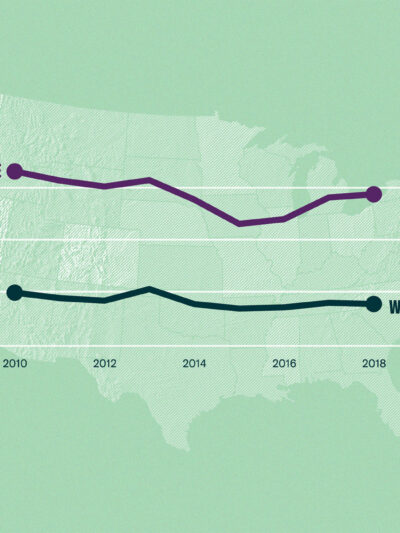
Marijuana arrests clog the criminal legal system with people who should not be there. This puts even more people in harm’s way as COVID-19 threatens to devastate jails and prisons, where the virus can spread rapidly. Officials must respond by reducing both arrests and the incarcerated population. Learn more.Legalizing marijuana, w
Stay Informed
Sign up to be the first to hear about how to take action.
By completing this form, I agree to receive occasional emails per the terms of the ACLU’s privacy statement.
By completing this form, I agree to receive occasional emails per the terms of the ACLU’s privacy statement.