
News & Commentary
From Arthur McDuffie to George Floyd: Racial Injustice in America
Systemic racism will not be eradicated if Black people act alone. We must all act to root out discrimination and inequity in all forms of our society.
By Joey Francilus
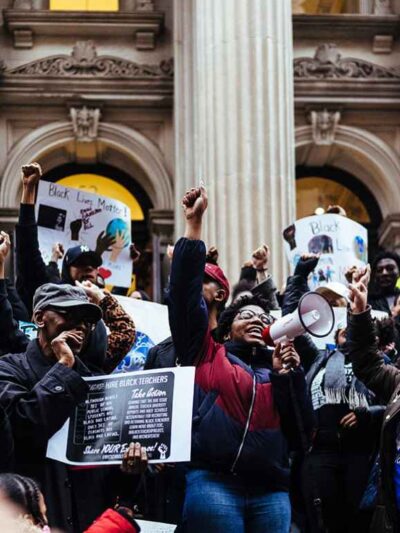
Know Your Rights While Protesting Police Brutality
The right to protest is fundamental to our democracy and enshrined in the First Amendment to the U.S. Constitution. In response to the death of George Floyd at the hands of Minneapolis police, people across the country have taken to the streets to demand racial justice and an end to police brutality and systematic racism against Black people.
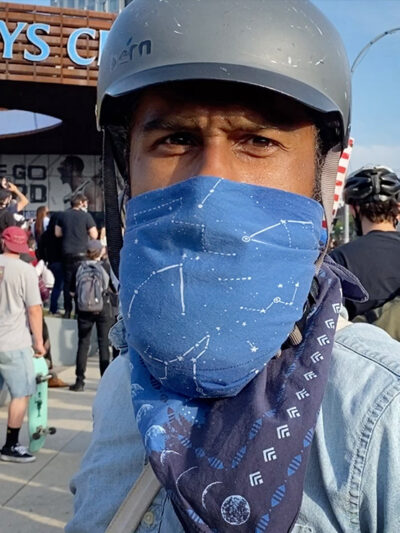
President Trump has No Idea How Online Speech Works
The First Amendment forbids such blatant, thin-skinned efforts to stifle expression.
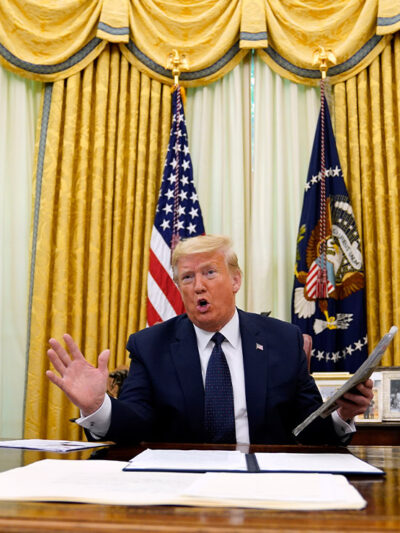
Anthony Romero on Leading in a Time of Crisis
Anthony Romero started his job as executive director of the ACLU just seven days before September 11, 2001, and he’s been with us ever since. The subsequent “war on terror” presented new and widespread threats to civil rights and civil liberties. Now, he faces a new challenge: leading the ACLU during the COVID-19 pandemic. He joined the podcast this week to discuss how the ACLU is navigating the current moment.

Recidivism Will Only Decrease if Successful Reentry is Embraced as an Antidote for Mass Incarceration
I thought serving my time in prison was my punishment. A lack of pathways to successful reentry meant I faced a life sentence long after leaving prison.
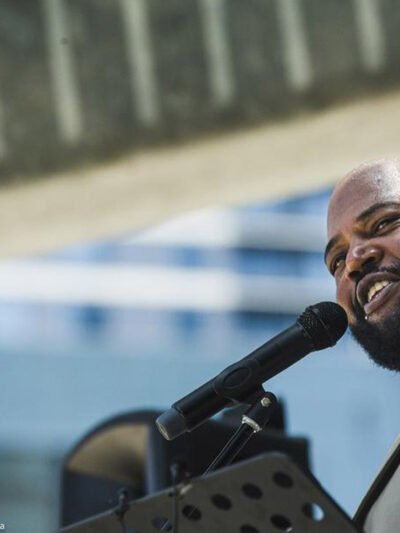
We’re Taking Clearview AI to Court to End its Privacy-Destroying Face Surveillance Activities
The company’s surveillance activities are a threat to privacy, safety, and security.

The FDA is Making Needless COVID-19 Risks a Condition of Abortion and Miscarriage Care. We’re Suing.
Against a nationwide medical consensus, the FDA is forcing patients to endure life-threatening risks to access medication to end an early pregnancy or treat a miscarriage.

Stay Informed
Sign up to be the first to hear about how to take action.
By completing this form, I agree to receive occasional emails per the terms of the ACLU’s privacy statement.
By completing this form, I agree to receive occasional emails per the terms of the ACLU’s privacy statement.