News & Commentary
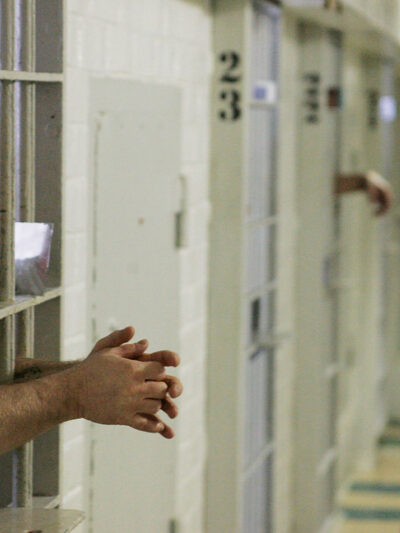
My Brother’s Not Afraid of Much. With COVID-19 in Prison, He’s Scared Out of His Mind.
Scott Clements, a lifelong New Jerseyan, is fighting to save the life of his brother Brian, who faces a heightened risk of contracting COVID-19 in prison and has underlying health conditions that would make the virus a death sentence.
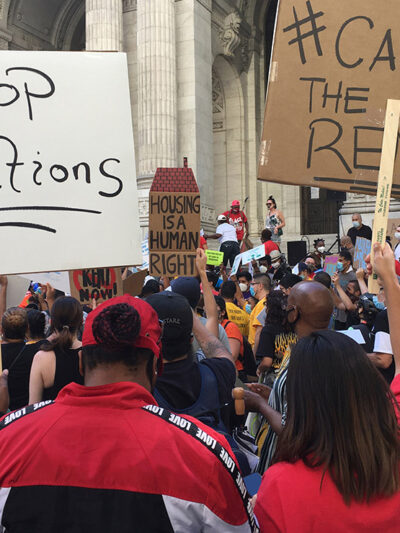
Why Evicting Millions During a Pandemic is Bad For Our Democracy
As the COVID-19 pandemic stretches on, people across the country face the economic devastation left in its wake. Along with staggering unemployment numbers, millions of renters now face eviction — a situation made even more dire by the global health crisis. Congress responded by instating an eviction moratorium for more than 12 million rental units across the country. But that moratorium expired on July 24th. This week, the Center for Disease Control introduced another moratorium, protecting certain renters in certain circumstances until the new year. But that still leaves many unprotected, and those who are protected remain burdened with a hefty bill due in 2021.
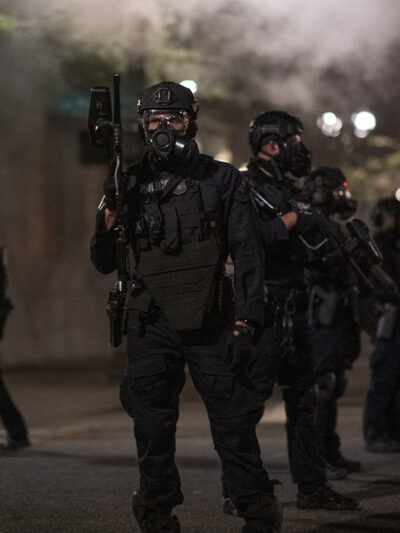
The Law Enforcement Violence Trump Won’t Talk About
Law enforcement officers have used sharpshooters to maim people, swept protesters away in unmarked cars, and brutally attacked journalists, legal observers, and medics.
A Tennessee Law Requires Doctors to Lie to Their Patients. We’re Suing.
State politicians passed a law compelling doctors to knowingly mislead their patients, in violation of both of their constitutional rights — the latest in an insidious, nationwide trend to humiliate and shame people who’ve decided to have an abortion.
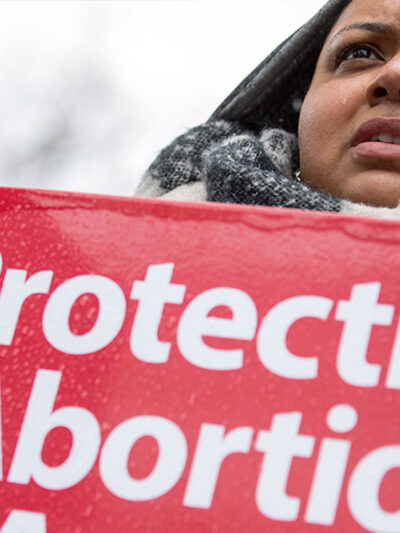
College Athletes and the Systems That Silence Them
Sports have long been an arena where civil rights and civil liberties questions have taken center stage: Track and field star Tommie Smith raised his fist for racial justice on the 1968 Olympic podium. Tennis great Billie Jean King fought for equal pay for women. Olympic runner Caster Semana challenged intersex bigotry to be able to compete. And of course, NBA players organized a strike this week in protest of the killing by police of Jacob Blake in Kenosha, Wisconsin.

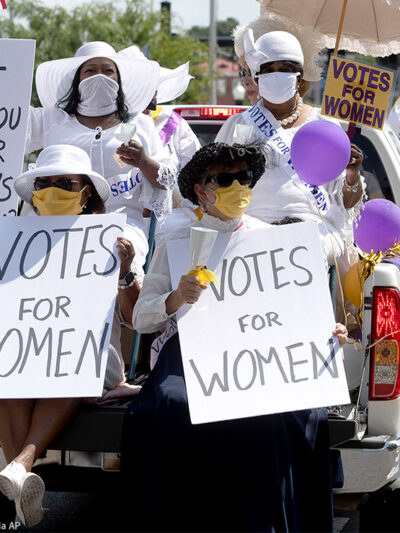
100 Years and Counting: The Fight for Women’s Suffrage Continues
The Nineteenth Amendment did not enfranchise all women equally. Today, many women continue to face barriers to the franchise, including women of color, trans women, and women with disabilities.
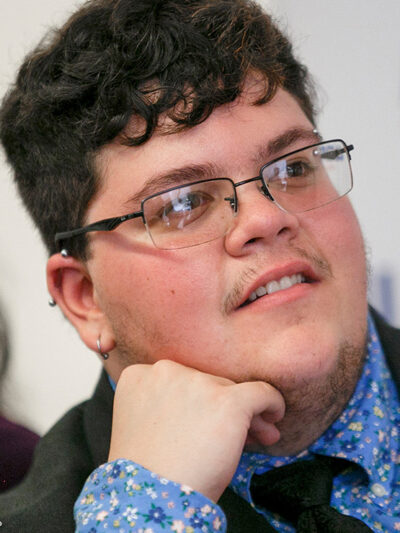
4 Quotes from Gavin Grimm’s Latest Victory
Yet another federal appeals court has ruled that transgender students are protected from discrimination.
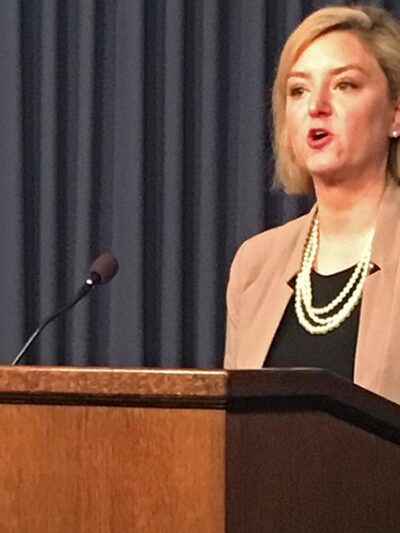
Adel’s Hidden Agenda: ACLU Exposes Maricopa Prosecutor’s Hypocrisy
Prosecutorial transparency is not optional. It is essential to build community trust, eradicate racial disparities, and deliver justice fairly.
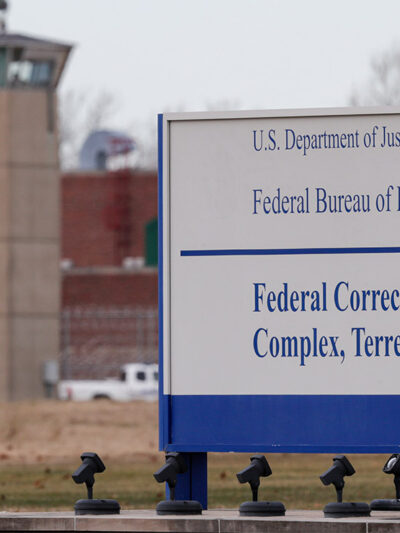
Not Even a Global Pandemic Could Stop the Federal Government from Pursuing a String of Back-to-Back Executions This Summer
The Justice Department's eagerness to rush through federal executions is grotesque — as is its willingness to expose hundreds of individuals to COVID-19 in the process.
Stay Informed
Sign up to be the first to hear about how to take action.
By completing this form, I agree to receive occasional emails per the terms of the ACLU’s privacy statement.
By completing this form, I agree to receive occasional emails per the terms of the ACLU’s privacy statement.